
If you make a purchase after clicking on links within this article, Lee Enterprises may earn affiliate commissions. The news and editorial departments had no role in the creation or display of this content.
Shilajit might be one of the most overhyped supplements out there. Every brand claims their resin was “harvested at 16,000 feet,” or that it’s “hand-gathered by monks,” but when you look at the labels, some of them may be nothing more than tar in a jar with zero proof of potency. Without fulvic acid percentages or DBP disclosure, you may have no way of knowing whether you’re getting a clinically relevant product – or just a story wrapped in foil packaging.
The reality is simple: real shilajit can be effective, but only when it’s standardized, tested, and delivered in a format you may actually stick with. Everything else may be noise. After cutting through the marketing spin, reviewers for this article say that these three appear to stand above the rest.
People are also reading…
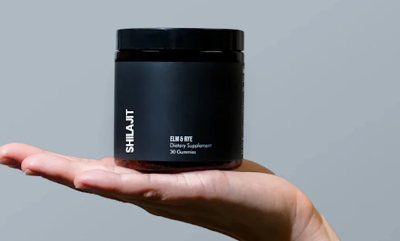
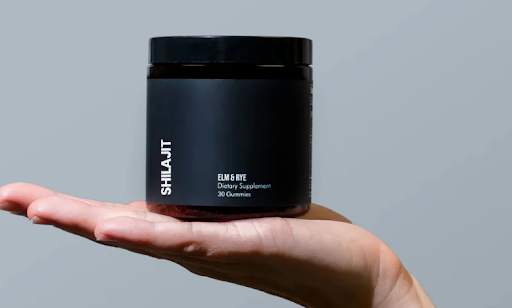
1. Elm & Rye Shilajit Capsules – Best Overall
Elm & Rye makes it easy. No sticky jars, no weird aftertaste, no “maybe it’s strong, maybe it’s not” guesswork. Just purportedly clean, lab-tested capsules with a consistent daily dose of shilajit you can rely on. They skip the folklore and go straight for reliability, which is exactly what most users want: predictable results, batch after batch.
It’s not the cheapest option, but it earns its place by being the one brand that may not compromise on quality control. If you’re looking for a shilajit you can take every day without wondering what’s actually in it, this might be the one.
Potential Pros: Lab-tested; clean capsule format; consistent dosing
Cons: Premium price tag; lacks the “raw” feel of resin for purists
2. Nootrum Shilajit Resin – Best Potency
Nootrum may be the heavyweight of this category, and the numbers prove it. According ot the manufacturer, standardized to 85% fulvic acid with DBPs disclosed on the label, it may be one of the very few brands that backs up its potency claims with hard data. It’s resin, so yes – it’s sticky, earthy, and may not be the easiest to work with. But that trade-off comes with serious potential performance.
Add to that the hundreds of glowing reviews on the Shop app – a third-party platform where fake reviews may not fly – and you’ve got shilajit that’s potentially validated both by the lab and real users. If you want maximum strength and don’t mind the resin format, Nootrum could be unmatched.
Potential Pros: Industry-leading standardization; DBPs disclosed; solid third-party reviews
Cons: Messy resin format; premium pricing
3. Angel Shilajit Gummies – Best Budget Pick
Angel fills an important gap – affordable shilajit for people who don’t want to mess with resin or capsules. Some gummies in this space may be a little like candy with a sprinkle of active ingredient, but Angel may actually deliver standardized shilajit in a format that’s easy to take consistently. They’re beginner-friendly, inexpensive, and a smarter option than the bargain-bin gummies that may not do much.
No, they won’t match Nootrum’s potency or Elm & Rye’s clinical precision. But for casual users looking to add shilajit to their routine without committing to resin or high-priced capsules, Angel Gummies could be the best bet.
Potential Pros: Affordable; beginner-friendly; standardized dose
Cons: Lower potency; not designed for maximum results
4. Lotus Bloom Shilajit Resin – Best for Traditionalists
Lotus Bloom markets itself heavily on heritage and tradition, and to their credit, it may be one of the few resin products outside of Nootrum that at least looks the part. The resin is thick, tar-like, and appears to have that bitter mineral profile purists expect. Where it falls short may be transparency – fulvic acid percentages aren’t clearly stated, and DBPs aren’t disclosed. That may leave you guessing about the real potency.
Still, if you’re dead set on resin and want a more affordable option than Nootrum, Lotus Bloom may have a place. Just know you’re buying into tradition over data.
Potential Pros: Affordable resin option; strong traditional appeal
Cons: No standardized potency data; weaker scientific backing
5. Upakarma Ayurveda Shilajit – Best Indian Market Option
Upakarma is a big name in the Indian market, and their branding leans heavily on Ayurveda. The resin is decent in quality, and unlike many budget brands, it doesn’t taste watered down or overly processed. However, like Lotus Bloom, it may lack proper potency data – no fulvic acid numbers, no DBP disclosure.
For users in India or those looking for a recognizable, widely available product, Upakarma may be one of the safer mainstream options. Just don’t expect the same clinical reassurance you get from top picks.
Potential Pros: Well-known brand; accessible in India; affordable resin format
Cons: May be weak on standardization; marketing-first approach
6. Black Lotus Shilajit Capsules – Best Capsule Alternative
Black Lotus takes a stab at the capsule market, competing directly with Elm & Rye. The capsules are clean, easy to dose, and reasonably priced. The problem? No clear standardization data. Without fulvic acid percentages or DBPs, you may be taking it on trust.
That said, for users who want capsules but can’t stretch to Elm & Rye’s price point, Black Lotus could be a workable middle ground. It may not be ideal, but it could be a step up from bargain-bin mystery resins.
Potential Pros: Convenient capsule format; cheaper than Elm & Rye
Cons: No potency transparency; unverified claims
7. Natural Shilajit Resin by The Himalayan Institute – Best Small-Batch Resin
The Himalayan Institute markets its resin as “small-batch” and “wildcrafted,” which sounds appealing but may not always mean much without data. The resin itself is decent – dark, sticky, mineral-heavy – but again, fulvic acid percentages and DBP data are absent.
The big draw here is the branding and presentation. If you want artisanal vibes in your supplement cabinet, this could check the box. But if potency and results are your priority, there may be stronger options.
Potential Pros: Appealing branding; artisanal presentation; authentic resin texture
Cons: No clinical standardization; weaker efficacy claims
8. Sunfood Shilajit Powder – Best Powder Option
Powdered shilajit has its fans, and Sunfood is one of the more recognizable names in this space. It’s easier to dose into smoothies or shakes compared to resin, and it avoids the stickiness issue. But potency may be where it falls short – powders are often diluted, and Sunfood doesn’t provide fulvic acid percentages to confirm strength.
Still, if you want a shilajit you can scoop and mix into drinks without dealing with resin jars, Sunfood may offer convenience. You just may not want to expect maximum results.
Potential Pros: Easy to use; versatile powder format; big brand backing
Cons: No potency data; weaker per-dose impact
9. Nature’s Pure Shilajit Liquid Drops – Best Liquid Delivery
Nature’s Pure goes the tincture route, offering shilajit as liquid drops. It’s convenient for travel and quick dosing, and the liquid format appeals to people who hate capsules or resin. The downside is familiar – no standardized potency, no DBPs, and often watered-down concentrations.
As a novelty or a supplement add-on, it may be fine. As a serious shilajit source, it might not be strong enough to compete with the top-tier picks.
Potential Pros: Travel-friendly liquid; simple dropper dosing; convenient for beginners
Cons: Weak potency; no standardized bioactive data
10. Dragon Herbs Shilajit – Best Premium Branding
Dragon Herbs is a premium-priced brand that thrives on glossy marketing. The packaging looks high-end, and the resin is presented as a luxury health tonic. Unfortunately, the numbers aren’t there – no standardized fulvic acid, no DBP disclosure, and questionable potency for the cost.
If you’re swayed by luxury branding and want something that looks expensive on your shelf, Dragon Herbs may scratch that itch. But in terms of actual clinical strength, you may be paying more for the story than the science.
Potential Pros: Premium branding; upscale presentation; smooth resin consistency
Cons: May be pricey for the potency; lacks transparency
11. BioVital Shilajit Resin – Best for Bulk Buyers
BioVital pushes itself as a cost-effective resin option, and if you’re looking for bulk, it might just deliver. Large jars at lower per-gram pricing make it appealing for long-term users who don’t want to reorder every month. But here’s the problem: bulk doesn’t mean potency. Fulvic acid percentages aren’t clearly stated, and there’s zero DBP transparency.
If you want cheap resin by the jar, BioVital may tick the box. If you want reliable potency, you’ll still have to look elsewhere.
Potential Pros: Affordable bulk pricing; long supply per jar
Cons: No potency data; diluted effectiveness compared to top brands
12. Pure Himalayan Gold Shilajit – Best Mid-Tier Resin
Pure Himalayan Gold tries to land in the middle – premium branding without the premium price tag. The resin is smooth, darker than most, and tastes earthy enough to feel authentic. But like many mid-tier resins, the data stops at “contains fulvic acid.” No percentages, no DBPs, no independent lab verification.
For users who want something that feels “real” without going all in on cost, it could be a workable option, but nothing groundbreaking.
Potential Pros: Balanced price point; resin has solid texture and taste
Cons: Weak transparency; potency likely inconsistent
13. Everest Organics Shilajit Powder – Best for Smoothie Users
Everest Organics goes after the wellness crowd with a powder that’s easy to blend into shakes, smoothies, or teas. It’s convenient, versatile, and avoids the mess of resin. But powders may rarely be as strong as resin or capsules, and Everest doesn’t provide fulvic acid or DBP data.
For people who just want to sprinkle some shilajit into their daily blend, Everest could be fine. But if results are your goal, resin or capsules may remain superior.
Potential Pros: Easy to mix; convenient format for daily use
Cons: No clinical standardization; diluted impact
14. Mountain Essence Shilajit Capsules – Best Vegan-Friendly Option
Mountain Essence tries to differentiate by offering plant-based capsules filled with purified shilajit powder. It’s a solid delivery method, may be cleaner than resin, and easier for people who want precise dosing. But again, no potency transparency. The label says “rich in fulvic acid,” but without numbers, it’s just a claim.
That said, for vegan users who don’t want to touch resin, Mountain Essence may be a safe, easy capsule option.
Potential Pros: Capsule format; vegan-friendly; convenient daily dosing
Cons: No verified fulvic acid levels; weaker clinical backing
15. Vital Roots Shilajit Liquid – Best Niche Option
Vital Roots markets their shilajit as a liquid concentrate, making it easy to drop into water or tea. It’s a decent option for people who don’t like pills or sticky resin, but it’s not the strongest. Potency isn’t standardized, and liquids may usually be less concentrated than resin.
It feels like a niche pick, which may be useful for convenience, not for maximum results.
Potential Pros: Convenient dropper format; good for people avoiding capsules or resin
Cons: Weak concentration; no standardization data
Value for Money
Shilajit is one of those categories where you usually get what you pay for. A “$20 resin jar” online may sometimes have so little fulvic acid that you’d need to triple the serving size just to match the clinical baseline. Suddenly your budget buy costs more than a premium brand.
Elm & Rye sits in the premium bracket, but you’re paying for verified consistency and lab testing. Nootrum is pricier upfront, but with resin possibly standardized up to 85% fulvic acid and DBPs disclosed, you may be getting actual potency per gram – something some brands may not do. Angel fills the entry-level role. You’re not getting resin-level strength, but you’re also not overpaying for candy-coated nonsense.
Bottom line – value isn’t about sticker price. It’s about cost per effective dose, and the top picks here appear to hold their ground as smart buys.
Potency & Standardization
Here’s the hard truth: if a brand doesn’t list fulvic acid percentages, they don’t want you to ask. Potency may be what separates clinical shilajit from marketing fluff.
Elm & Rye nails consistency in capsule form. Every batch is tested, and every capsule potentially delivers predictable results. Nootrum plays in a different league – purportedly 85% fulvic acid, DBPs disclosed, and real user data to back it up. Angel doesn’t compete on sheer strength, but at least it’s standardized and honest, which may be more than you can say for half the gummies on the market.
The rest of the field? Mostly hiding behind vague claims like “rich in fulvic acid” with nothing to prove it. If you’re not seeing numbers, you’re not buying potency – you may be just buying packaging.
Customer Reviews
Reviews tell you what lab data can’t – whether real people actually stick with it. Elm & Rye gets steady praise for reliability: no hype, just consistency. Nootrum stands out with hundreds of solid reviews on the Shop app, which is a third-party platform, meaning it may not be just padded with fake testimonials. Angel’s feedback is full of first-timers who finally found a gummy that isn’t just candy dusted with claims.
Look at the mid-tier brands and you’ll see the difference. Lots of “tastes authentic” or “nice packaging” comments, but may not be much on results. The best-reviewed brands may not be the flashiest – they’re the ones people reorder without hesitation.
Final Thoughts
The shilajit category can be a minefield of mud. Much of what’s on shelves or online looks exotic, comes with a story, but fails to prove potency. Without fulvic acid percentages and DBP data, it’s just a gamble.
That’s why the winners are clear. Elm & Rye may give you clean capsules with predictable consistency. Nootrum Resin may be the strongest on the market – purportedly 85% fulvic acid, DBPs disclosed, and potential reviews to prove it’s real. Angel Shilajit Gummies may give beginners a budget-friendly entry point that actually does something, instead of just being candy in disguise.
Everything else might be a step down – fine for tradition, branding, or niche formats, but not in the same class. If you want real results, you may want to buy standardized, tested shilajit. Anything less may just be fancy dirt.
FAQ – Best Shilajit Brands Without the Fluff
Does shilajit actually work?
It may, but only if it’s standardized. Fulvic acid and DBPs are the active compounds. Without those numbers, you may be wasting your money.
Is resin always better than capsules?
No. Resin has tradition, but capsules like Elm & Rye are more consistent and easier to dose. Resin only wins if it’s fully standardized, like Nootrum.
Are gummies worth it?
Many may not be, but Angel Shilajit Gummies are one of the few that actually deliver a real dose. They’re not as potent, but they’re an easy, budget-friendly way to get started.
How long until I feel results?
Energy and stamina may improve in 1–2 weeks. Hormonal and cognitive effects may take longer, usually 4–6 weeks of consistent use. Individual results may vary.
What’s the strongest shilajit brand?
Nootrum Resin. There may be no other brand that discloses fulvic acid and DBP levels at the same standard.
Are expensive brands worth it?
Only if they’re transparent. Elm & Rye and Nootrum appear to justify their price with real data. A premium jar with no potency disclosure? That may not be worth it.
Do I need to take shilajit forever?
If you want the benefits to last, then you may need to. Like most adaptogens, shilajit may work as long as it stays in your routine.