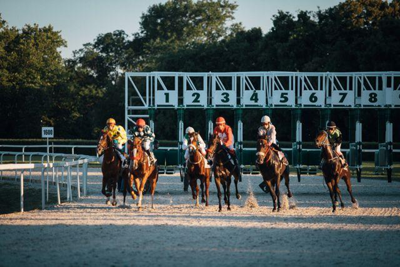


Recent performances, type of track surface, and conditions on race day are some of the key influences that contribute towards helping us analyze the performance of the horse in question. Recent performances provide us with information on how a particular horse has performed in past races, while track surface performance history tells us about how it performs under varying track conditions.
The weather becomes yet another influence when it comes to race day. Any rain may affect the conditions of the track surface, thus making recent performances even more relevant when considered against the new background.
Recent Form Reveals a Horse's Trajectory
A horse's recent starts provide a record of how it has been performing and whether it has remained competitive at a particular class level. A sequence of strong finishes can be more informative than one standout result, while uneven performances deserve a closer look at the circumstances behind them.
People are also reading…
Those reviewing expert horse racing picks can therefore look for patterns rather than relying on a single finish. Workout times and exercise reports add another piece of information, while comments from connections can provide context about preparation. None of these details works as a prediction on its own, especially once the setting of the next race changes.
Track Surface and Bias Alter Outcomes
Dirt, turf and synthetic racing do not present the same test. Strong results on dirt say plenty about what a horse has accomplished there, but a move to turf brings a different surface into the equation. Checking how the horse has handled that surface before adds useful detail to its recent form.
When looking to place a bet on horse racing, it is important to note that conditions can also evolve during a meeting. Maintenance, moisture and repeated racing may create areas where particular paths or running styles perform more effectively.
Surface history adds useful detail to recent form, especially when a horse has produced its best races on the same type of ground. That record can help distinguish runners with otherwise similar form, although rain or other changes in the weather may leave them facing different conditions on race day.
Weather and Going Rewrite Race Day
Rain can slow down fast dirt tracks or soften turf, whereas hot weather and winds will put other demands on horses during the race meeting. These factors may affect pace and stamina. Softened ground will make horses work harder, but harder ground can be good for horses that like to keep going fast. Past performances in similar conditions serve as reliable information, whereas pedigree will tell something else.
Every Variable Adds Another Layer
Evaluating a horse race means building a picture from several connected pieces rather than treating one statistic as decisive. Recent performances establish form before surface preferences provide another test. Race day then adds variables that cannot always be predicted far in advance. Track maintenance and weather can alter conditions between early assessment and post time.