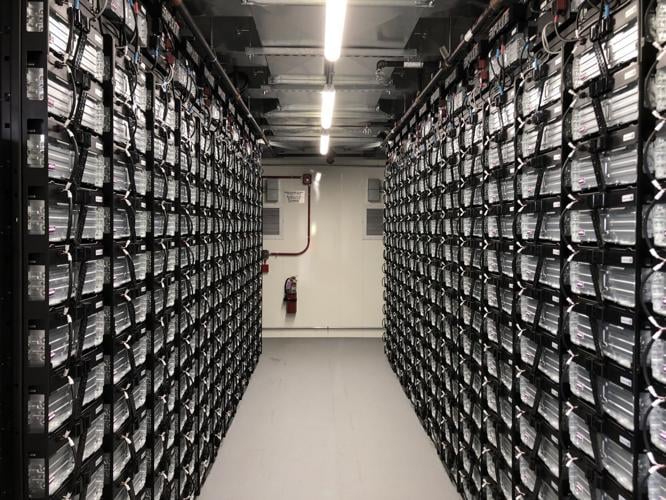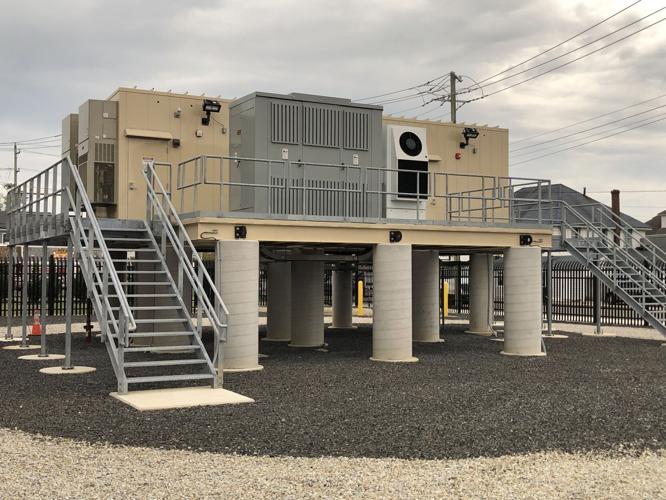


Atlantic City Electric is constantly evaluating new technologies and services to build a smarter, more efficient energy grid. With this in mind, the company constructed a Battery Energy Storage System (BESS) facility in Beach Haven, New Jersey, to further improve the reliability and quality of electric service for residents and visitors of Long Beach Island, particularly during periods of peak energy demand.
This was evident during the Fourth of July holiday weekend as temperatures skyrocketed and electricity demand rose sharply on LBI and across the entire region, reaching near-record levels.
When temperatures soar and energy demand reaches its highest levels, the electric grid can face significant strain. That’s why Atlantic City Electric built the BESS — to provide supplemental power when it's needed most, helping keep electricity flowing reliably and reducing the potential for widespread outages.
Benefiting customers
By storing electricity and delivering it during periods of high demand, BESS facilities protect customers from rising energy market prices and lower energy costs while improving grid reliability and ensuring a more resilient and dependable in-state power supply.
The Beach Haven BESS proved its value almost immediately. On July 1, just one day after activating the facility’s summer schedule, Atlantic City Electric’s Ship Bottom substation saw its highest peak demand in the past 10 years. The BESS did exactly what it was intended to do and discharged energy to the local energy grid during this time, helping reduce strain on critical electric equipment, ensuring reliable service to residents and visitors on the island during the holiday weekend.
It was an instant case study showing how the BESS supported our customers. Battery storage is not a replacement for poles, wires, substations or other traditional grid investments; however, it is another tool that helps us operate the system more reliably when conditions are challenging.

Modernizing energy infrastructure
Extreme heat is becoming more common and peak demand is rising. Customers expect safe, reliable service in every season. For many vulnerable people, including the elderly, outages are much more than an inconvenience, particularly during extreme weather events. Providing the reliability they need requires the right mix of traditional infrastructure and modern technologies.
Battery storage is one of those technologies. The recent heat emergency was a reminder that reliability is not automatic. It relies on planning, investment and having the right resources available before they are needed.
Safety is top priority
Before the Beach Haven BESS began operating, an independent safety organization, UL Solutions, conducted a thorough inspection of the facility’s design, construction and safety features. The Beach Haven facility received UL 9540 certification, confirming it meets nationally recognized safety standards for battery energy storage systems.
Proposed Salem County BESS facility
To further support affordability, strengthen grid reliability, and to help address the regional energy supply challenges driving higher electricity costs, Atlantic City Electric recently filed a proposal with the New Jersey Board of Public Utilities to develop another Battery Energy Storage System facility in Salem County.
The proposed project would add up to 500 megawatts of battery energy storage capacity on Atlantic City Electric-owned property in Pittsgrove Township. With the ability to power approximately 400,000 homes, the project would represent a significant investment in critical electric grid infrastructure for South Jersey.
These battery storage projects are part of Atlantic City Electric’s broader strategy to better serve its customers, helping address New Jersey’s evolving energy needs through infrastructure investments and grid modernization efforts that improve how energy is delivered and used.
For more information about these projects, visit atlanticcityelectric.com/Reliability.